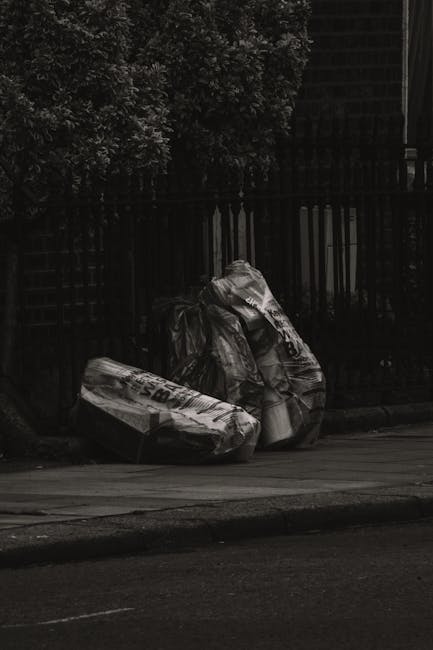
Harrods Area Bulky Rubbish Pickup for Knightsbridge Flats: A Practical Local Guide
If you live in a Knightsbridge flat near Harrods, bulky waste can become a strange little headache very quickly. One week it is a sofa that no longer fits the room, the next it is a mattress, a fridge, a broken desk, or a pile of boxes that has somehow multiplied in the hallway. Harrods area bulky rubbish pickup for Knightsbridge flats is really about making that problem disappear neatly, safely, and without upsetting neighbours, porters, or building management.
In a part of London where access can be tight, timing matters, and communal spaces need to stay presentable, the way rubbish is removed matters almost as much as what is being removed. This guide walks through how bulky rubbish pickup works, what to expect, what to avoid, and how to choose a sensible approach for flat living in and around Knightsbridge. No fluff. Just the stuff that helps.
Why Harrods area bulky rubbish pickup for Knightsbridge flats Matters
Bulky waste is not the same as everyday bin rubbish. It is the awkward, oversized, heavy, or just plain inconvenient stuff that does not belong in a standard refuse sack or the recycling box downstairs. Think wardrobes, beds, broken shelving, white goods, old rugs, or the remains of a flat clear-out after a move. In a Knightsbridge flat, those items are often harder to handle because of lifts, narrow corridors, concierge desks, controlled access, loading restrictions, and the simple fact that you may share the building with a lot of other people who do not want a corridor blocked at 8am.
That is why a planned bulky rubbish pickup is more than a convenience. It helps keep the building tidy, reduces disturbance, and lowers the risk of damage to walls, flooring, and communal areas. It also cuts the temptation to leave items in a basement, beside the bins, or in the street "just for a bit". Let's face it, that sort of bit has a habit of becoming a problem.
There is also a safety angle. Heavy items can injure backs, scratch stairwells, and create trip hazards. In buildings near Harrods and the wider Knightsbridge area, where property standards are generally high, a messy removal job stands out immediately. Good pickup practice protects the flat, the building, and your reputation with neighbours or management.
If your bulky items are part of a bigger clear-out, you may also want to look at flat clearance or, for larger household jobs, home clearance. Those services are especially useful when a few large items are just the visible part of a much bigger purge.
Key takeaway: In Knightsbridge flats, bulky rubbish pickup is not just about lifting heavy things. It is about protecting access, keeping communal areas clean, and arranging removal in a way that fits apartment living.
How Harrods area bulky rubbish pickup for Knightsbridge flats Works
The process is usually straightforward, but the details matter. Most pickups begin with identifying exactly what needs removing. A single armchair is one thing. A sofa, mattress, TV stand, fridge, and a dismantled wardrobe are another. The more accurate the item list, the smoother the pickup tends to be.
In practice, a good bulky rubbish pickup for a Knightsbridge flat will normally involve:
- Describing the items clearly, including size and quantity.
- Checking access details such as lift availability, stair-only access, concierge rules, parking, or loading bays.
- Confirming whether any item needs special handling, such as appliances or potentially hazardous materials.
- Agreeing a collection time that fits the building and avoids peak disruption.
- Removing the items from the flat, communal areas, and then loading them safely for transport.
- Sorting the waste for reuse, recycling, or disposal where appropriate.
That last step is easy to overlook, but it matters. Not everything goes to the same place, and a well-run pickup should distinguish between reusable furniture, recyclable materials, and items that need specialist disposal. For instance, a damaged sofa may be removed as part of a furniture collection, while an old fridge may be better handled through fridge and appliance removal. Different items, different handling. Simple enough, but it saves headaches.
Many people also ask whether this is more like a skip job or a man-and-van service. The answer depends on the amount and type of waste. For the material itself, it can help to read what can go in a skip, even if you are not actually hiring a skip. It gives you a useful sense of what is accepted, what is awkward, and what should be treated separately.
In the Harrods and Knightsbridge context, timing and access often matter as much as the removal itself. A 20-minute collection can become a 90-minute ordeal if the lift is tiny, the car cannot stop outside, or the item has to be turned sideways three times to fit through a doorway. Anyone who has wrestled a wardrobe down a narrow staircase will know the feeling. Not fun.
Key Benefits and Practical Advantages
A proper bulky rubbish pickup brings more than a cleared floor. It creates order in a building that already has enough moving parts.
Cleaner communal spaces
Flat blocks rely on shared spaces staying clear. One abandoned sofa in a hallway can make everything feel untidy. Prompt removal keeps entrances, lifts, and bin stores usable.
Less stress for residents
Instead of borrowing a van, lifting heavy pieces, and trying to coordinate loading on your own, you can hand the awkward part over. That alone can be worth it, especially after a move or renovation.
Better building relations
Neighbours are far more forgiving when a bulky item disappears quickly and quietly. Slow removal jobs, by contrast, tend to create grumbles. Fair enough.
Safer handling
Professional or organised removal reduces the chance of damage and injury. This matters with items like wardrobes, mirrors, large TVs, mattresses, and appliances.
More responsible disposal
When the waste stream is sorted properly, there is a better chance that some of it is reused or recycled rather than simply thrown away. If sustainability matters to you, that is a real plus.
You can also explore the broader approach to responsible handling through recycling and sustainability. It is a useful page to review if you want the bigger picture rather than just the collection itself.
| Benefit | What it means in a Knightsbridge flat | Why it matters |
|---|---|---|
| Faster clearance | Items leave the flat in one organised visit | Reduces disruption to residents and building staff |
| Safer lifting | Heavy items are moved with the right technique | Helps prevent damage and injury |
| Cleaner access routes | Hallways, lifts, and entrances stay clear | Better for neighbours and management |
| Smarter sorting | Furniture, appliances, and mixed waste are separated | Improves reuse and recycling outcomes |
Who This Is For and When It Makes Sense
This kind of pickup is a fit for a wide range of people, and not just those doing a full clear-out. You might need it if:
- You are moving out and need to remove a sofa, bed frame, or mattress.
- You have upgraded your furniture and the old pieces are taking up too much space.
- You are dealing with end-of-tenancy clearance in a managed flat.
- You have had delivery issues and need old bulky items removed before new ones arrive.
- You are a landlord or letting agent preparing a flat for new occupants.
- You are helping a family member clear a property after a long period of accumulated clutter.
- You have renovation leftovers, such as broken cupboards, cabinets, or damaged fixtures.
It makes particular sense when the job is too large for ordinary bins but too small to justify a major clear-out. A single sofa, for example, can be more hassle than it looks. A pair of chairs, a mattress, and a broken cabinet can turn into an afternoon you did not really want. That is the sort of thing this service exists to solve.
For many flats, the decision also comes down to access. If there is no easy loading point or parking is tight, trying to do it yourself can become a game of logistics. And in Knightsbridge, logistics usually wins. Better to plan around the building than fight it.
If your item list includes upholstered pieces, mattress and sofa disposal is a sensible route to consider. It keeps the job focused and helps avoid throwing mixed items into one catch-all pile.
Step-by-Step Guidance
Here is a simple way to approach a bulky rubbish pickup without making it more complicated than it needs to be.
1. Make a clear item list
Walk through the flat and write down every item that needs to go. Be honest about size. A "small table" can turn out to be awkwardly large once you try to carry it through a lift.
2. Separate what might be reusable
If something can be donated, sold, or reused, keep it apart from broken waste. That does not just help the environment; it also keeps removal simpler.
3. Check access and timing
Look at lift sizes, stair widths, concierge hours, resident restrictions, and parking realities. A ten-second check can save a lot of backtracking later.
4. Flag special items early
Appliances, damaged glass, mattresses, and anything questionable should be mentioned upfront. If there is hazardous material involved, it needs separate care and should not be treated like ordinary waste. For those cases, hazardous waste disposal is the safer subject to look at.
5. Prepare the items before collection
Where possible, empty drawers, remove loose contents, tape up doors, and detach small parts. If a bed can be broken down safely, that often makes life easier. Not every item needs dismantling, though; sometimes it is better left intact if taking it apart would create extra mess.
6. Keep a clear route
Move shoes, plant pots, recycling bags, and anything else from the route between the flat and the exit. It sounds obvious, but in real life people forget. Usually when somebody is already carrying a heavy wardrobe leg.
7. Confirm where the waste will go
It is worth asking how items will be sorted, reused, or recycled. If you care about transparency, this is a sensible question. You are not being awkward; you are being prudent.
8. Do a final sweep
Once the pickup is done, check cupboards, balconies, and storage nooks. In a busy flat, forgotten clutter has a weird way of hiding in plain sight.
Expert Tips for Better Results
Over time, a few patterns become obvious. The smoothest pickups are not always the ones with the fewest items. They are the ones where the planning is tidy.
Measure doorways and lifts before collection day. You do not need a tape measure for every shelf, but knowing whether a sofa can turn the corner is useful. It is the kind of thing people only think about halfway through a squeeze, which is not ideal.
Group items by type. Put furniture together, small electricals together, and soft furnishings together. That makes handling easier and helps with sorting later.
Avoid last-minute additions. One extra chair sounds harmless until it becomes three extra bags, a shelf, and a printer. Scope creep. It happens.
Check building rules early. Some blocks have strict timings or require notice for access. If you are in a managed building, a quick heads-up to the concierge or building manager can save trouble.
Think about downstream movement. If new furniture is arriving the same day, schedule bulky rubbish pickup first where possible. It makes the flat feel calmer, and it avoids a cluttered corridor situation.
Use specialist services where needed. A fridge is not the same as a chair. A sofa is not the same as builders' rubble. Matching the item to the right service keeps the job efficient.
If you want more specific clearance support, pages such as furniture clearance and waste removal can help you think through the right fit.
Common Mistakes to Avoid
Most bulky rubbish problems are not dramatic. They are just annoying. The good news is that many of them are avoidable.
- Leaving items in the corridor: Even briefly, this can create fire safety and access issues.
- Not checking whether items need special handling: Appliances, damaged glass, or questionable waste should not be left to chance.
- Forgetting about access constraints: A beautiful plan falls apart if the lift is out of service.
- Mixing recyclable items with general rubbish: It complicates sorting and may reduce recovery opportunities.
- Underestimating how much there is: A quick tidy often reveals more waste than expected.
- Trying to lift heavy pieces alone: It is not worth the risk, especially on stairs.
- Booking too late: If you need the space cleared before a delivery or tenancy handover, leave enough margin.
A surprising number of people also forget about documentation. If you are a landlord, agent, or business owner clearing a flat or office, keep a record of what was removed and when. It is simple housekeeping, but very useful if anything later needs to be checked.
For office-related clearances, office clearance may be more relevant than a general pickup. If the property is mixed-use or used for business purposes, that distinction matters more than people expect.
Tools, Resources and Recommendations
You do not need a van-load of equipment to manage bulky rubbish, but a few basic tools make the job easier.
- Sturdy gloves: Helpful for grip and protection when moving rough or dusty items.
- Measuring tape: Useful for checking furniture dimensions against doors and lifts.
- Label stickers or tape: Good for marking what stays, what goes, and what needs special care.
- Strong bin bags or sacks: Handy for smaller loose items around the bulky pieces.
- Furniture blankets or old sheets: Useful if you want to protect hallway walls or lift interiors during movement.
For households with mixed waste, a clearer picture of item categories helps a lot. The page on what can go in a skip is useful even if you are not using a skip. It gives you a feel for what is considered straightforward, what is restricted, and what needs extra care.
If a collection is likely to include sofas, chairs, mattresses, or similar items, reviewing mattress and sofa disposal can help you understand the handling side more clearly. Likewise, if the job includes a kitchen appliance or a broken unit, the specialist appliance page is worth a look.
And if you are simply trying to work out cost, timing, or whether a job is feasible in your building, the pricing and quotes page is a practical place to start. People often overthink the first step. Sometimes you just need a clear quote and a realistic plan.
Law, Compliance, Standards, or Best Practice
For flat living in London, bulky rubbish pickup is not just a matter of convenience. It sits inside broader expectations around waste handling, building safety, and neighbourly conduct. Without getting overly technical, there are a few sensible principles to keep in mind.
Do not leave waste in shared escape routes. Corridors, stairwells, and communal entrances need to stay clear. That is both a practical and safety issue.
Separate specialist items. Electrical items, appliances, and anything potentially hazardous should not be mixed casually with ordinary furniture or household waste.
Use responsible disposal practices. Reuse and recycling should be considered where appropriate. That is now widely expected by residents and property managers alike.
Respect building rules. Managed blocks often have access procedures, delivery windows, and noise expectations. These are not there to be awkward; they help the building function smoothly.
Keep the process transparent. If you are arranging a pickup on behalf of a tenant, landlord, or business, it is sensible to know who is responsible, what is being removed, and how it will be handled.
For an overview of how a provider handles operational safety and responsibility, the pages on health and safety policy, insurance and safety, and modern slavery statement can provide useful reassurance about the standards a business says it works to. The wording is important: says it works to. Good practice should be visible, not just claimed.
If you are unsure whether a material needs special handling, pause and ask. That is better than making a confident mistake, which is a very human thing to do and, frankly, not one we recommend.
Options, Methods, or Comparison Table
There are several ways to deal with bulky rubbish in or near a Knightsbridge flat. The best option depends on volume, access, item type, and urgency.
| Method | Best for | Strengths | Limitations |
|---|---|---|---|
| Bulky rubbish pickup | Single large items or a small mixed load | Quick, simple, suited to flats | May not suit very large clearances |
| Flat clearance | Multiple furniture pieces or a full flat | Efficient for bigger jobs | Needs more planning and access coordination |
| Furniture disposal | Sofas, chairs, tables, wardrobes | Good for repeat furniture jobs | Less suitable for mixed waste |
| Skip-based approach | Renovation waste or bigger mixed waste streams | Can handle bulk material | Access, permits, and loading can be trickier for flats |
For many Knightsbridge residents, bulky pickup is the most convenient because it fits the realities of apartment living. A skip might be overkill. A full clearance might be too much. The sweet spot is often somewhere in the middle.
If the waste is mostly furniture, start with furniture disposal. If the job is broader, house clearance or home clearance may fit better, depending on the layout and scale.
Case Study or Real-World Example
Picture a third-floor Knightsbridge flat near Harrods after a tenant move-out. There is a broken double bed frame, a mattress, two bedside tables, an old desk chair, and a fridge that has stopped working. The hallway is narrow. The lift is small. The building manager wants the common areas kept spotless, and the new occupants are due in the next day.
This is exactly the kind of situation where a planned bulky rubbish pickup helps. The items are listed in advance, the access route is checked, and the larger pieces are grouped so they can be removed in one visit rather than in a series of awkward trips. The fridge is treated as a separate item class, the mattress is handled carefully, and the furniture is cleared without leaving residue in the corridor. Not glamorous. Just effective.
What usually makes this sort of job succeed is not brute force. It is coordination. A quick message to the concierge, a clear arrival window, and a sensible item list can save a surprising amount of time. In our experience, the people who prepare the route well are the ones who end up feeling the least stressed afterwards. Funny how that works.
For a job like this, a service mix that includes flat clearance, appliance handling, and furniture removal can be more efficient than trying to manage each item separately with several different pickups.
Practical Checklist
Use this checklist before collection day. It keeps things calm, which is underrated.
- List every bulky item to be removed.
- Separate reusable pieces from waste.
- Measure doors, lifts, and the main route if access looks tight.
- Check building rules, concierge hours, and parking constraints.
- Flag mattresses, sofas, fridges, and any unusual items early.
- Keep corridors, stairwells, and entrances clear.
- Remove loose contents from drawers and cupboards.
- Protect floors or walls if items are likely to scrape.
- Confirm the collection time and contact details.
- Do one final room-by-room sweep before the team arrives.
If the flat is being emptied more broadly, you may find it useful to review house clearance and home clearance as well. They help you judge whether the job is truly a single pickup or something larger.
Conclusion
Harrods area bulky rubbish pickup for Knightsbridge flats is really about making a complicated-looking task feel simple. The best results come from clear planning, the right item handling, and a bit of respect for the building around you. When those pieces line up, the whole job becomes cleaner, safer, and far less stressful than trying to improvise on the day.
For residents, landlords, and agents alike, the goal is the same: remove the bulky items without turning the flat or the shared spaces into a mess. That is entirely doable, and usually easier than people expect once the details are sorted.
Get a free quote today and see how much you can save.
And if you are still deciding what kind of clearance you need, that is fine too. A sensible decision made once is better than three rushed ones. Take your time, get the scope right, and the rest tends to fall into place.
Frequently Asked Questions
What counts as bulky rubbish in a Knightsbridge flat?
Bulky rubbish usually means large household items that do not fit in normal bins, such as sofas, mattresses, wardrobes, tables, appliances, and broken furniture. In flats, the challenge is often access as much as size.
Can bulky rubbish be collected from a flat with no lift?
Yes, but access needs to be planned carefully. Stairs, tight landings, and narrow corridors can affect timing and handling, so it helps to mention them early.
Is a bulky rubbish pickup better than a skip for flat living?
Often, yes. For apartment buildings near Harrods, pickup is usually easier because there is no need to place a skip outside or manage loading into a container over time. It depends on the waste type, though.
What should I do with an old sofa or mattress?
Keep it separate from loose waste and book a service that handles soft furnishings properly. Sofa and mattress items are commonly dealt with through dedicated disposal or furniture removal routes.
Can I leave bulky items in the corridor until collection?
It is best not to. Shared corridors and entrances should stay clear for safety and access reasons, and building managers often expect items to be removed promptly.
How do I prepare a fridge or other appliance for pickup?
Empty it, unplug it in advance, and keep it accessible. Appliances may need specialist handling, especially if they are large or awkward to move.
What if my flat clearance includes a mix of furniture and general waste?
That is very common. Mixed jobs can usually be managed, but the items should be listed clearly so the right handling and sorting approach can be used.
Do I need to dismantle furniture before collection?
Not always. If dismantling makes the item safer or easier to move, it can help. But do not take furniture apart if that creates loose sharp parts or extra mess.
How much notice do I need for bulky rubbish pickup?
That depends on availability and the size of the job. For flats in busy parts of Knightsbridge, earlier notice is usually wiser, especially if building access must be arranged.
Is bulky rubbish pickup suitable for landlords and letting agents?
Yes. It is commonly used for end-of-tenancy clearances, pre-let preparation, and removal of furniture left behind by previous occupants.
What happens to the items after collection?
Where possible, items may be sorted for reuse or recycling. Anything that cannot be reused is handled in line with responsible waste practices.
How do I know whether my waste needs special disposal?
If an item is electrical, hazardous, contaminated, or unusually heavy or fragile, it is worth checking before collection. When in doubt, ask rather than guessing.
For anyone managing a property near Harrods or across Knightsbridge, the main thing is simple: do not wait until the hallway is full and the lift is booked. A little planning goes a long way, and that is usually the difference between a stressful clear-out and a smooth one.